


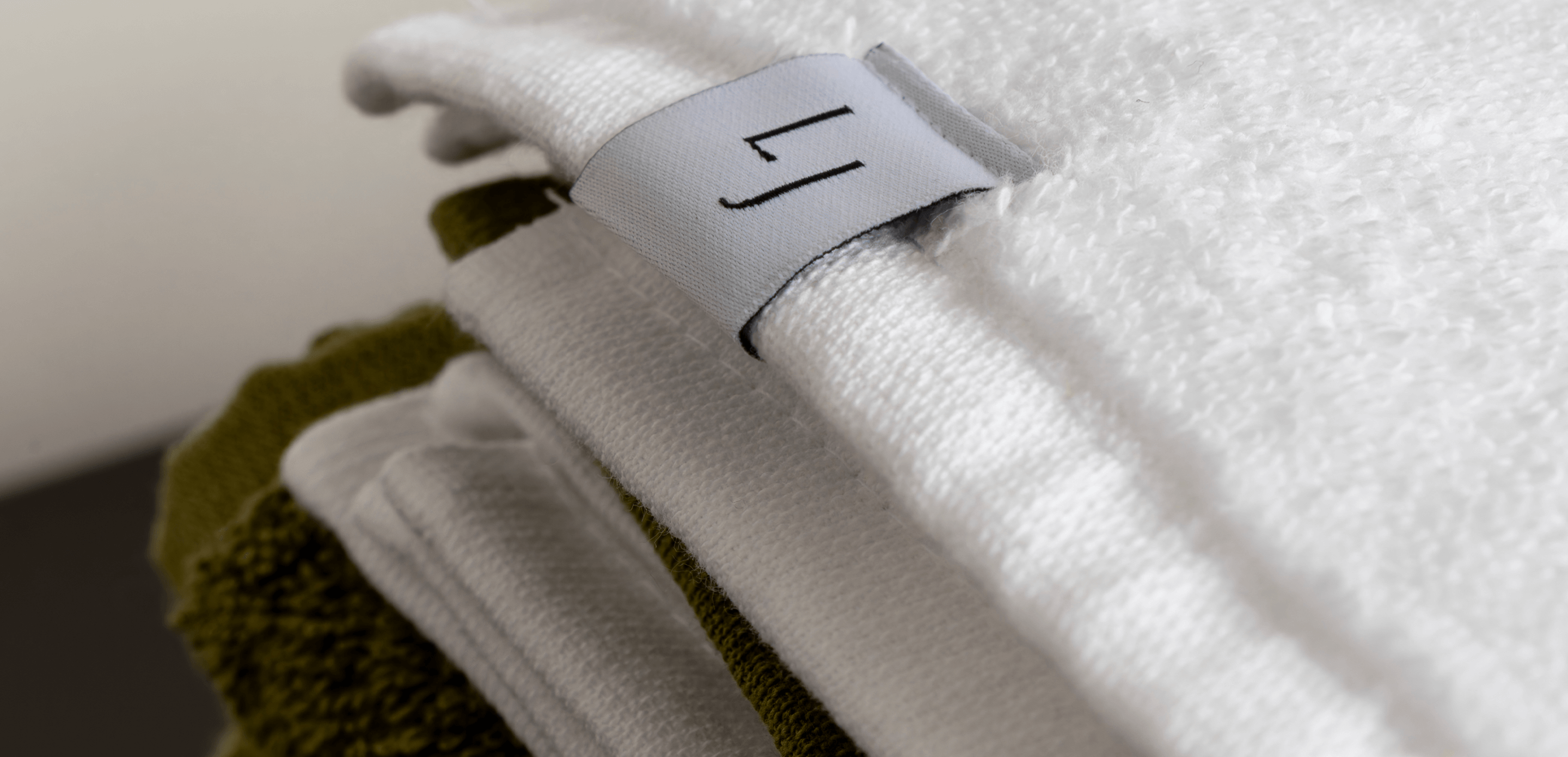
A towel that absorbs water after a shower without harsh scrubbing and then smells pleasantly clean is a small detail with a big impact on the entire bathroom ritual. The question of how to wash terry towels is therefore not just about washing machine settings. It also depends on what you wash them with, how much space you leave them in the drum, and how you handle them after washing.
Terry is a fabric made of tiny loops, most often from cotton. These loops trap moisture and give the towel its typical fluffy feel. When coated with detergent residue, fabric softener, or hard water minerals, they flatten. The towel can then feel stiffer, absorb less, and lose its fresh appearance. Good care is not complicated - it just respects the material and its function.
How to wash terry towels without losing absorbency
Start by sorting. Wash towels separately from clothes, bedding with zippers, or items with velcro. Terry loops can snag on rougher elements and get damaged over time. Also, separate them by color: white, light, and dark shades will retain a brighter tone if they are not washed together.
Do not overfill the washing machine. Towels need space to move in the water during washing so that the detergent is thoroughly rinsed out. If the drum is overloaded, the fabric may feel heavier and stiffer after drying. A practical rule is simple: after loading the laundry, there should be about a palm's width of free space above it.
For most cotton terry towels, 40°C works as a reliable everyday standard. It removes common dirt, sweat, and cosmetic residue, while being gentler on colors and fibers than frequent washing at higher temperatures. For white towels or items that need a more thorough refresh, 60°C may be suitable - but always follow the instructions on the sewn-in label. This takes precedence over general advice, as the specific grammage, dyeing, and fabric treatment are decisive.
Less detergent, more softness
The most common cause of stiff towels is not a lack of laundry gel, but an excess of it. Residues get trapped between the terry loops, reduce their elasticity, and create a coating that hinders absorbency. Therefore, dose according to water hardness, load size, and degree of soiling, not automatically to the mark on the measuring cup.
For terry, a good quality liquid or powder detergent designed for colored or white laundry, depending on the towel shade, is a pleasant choice. With powder, check if it dissolves well in your program - especially in cold water, too much can leave light marks on dark textiles. If you have hard water, adjust the dosage according to the detergent manufacturer's recommendations. Minerals in the water can gradually stiffen the textile, making precise rinsing even more important.
Use fabric softener for terry sparingly, or feel free to omit it completely. While it creates an immediate feeling of softness, its components can coat absorbent cotton fibers. The towel then feels smooth to the touch but absorbs water more slowly. If you like a delicate scent, regular towel changes, a clean washing machine, and thorough drying will help more than fabric softener.
The first wash of new towels is important
A new towel may have fine loose fibers on the surface from manufacturing and may not absorb as readily as you expect at first. Therefore, wash it separately or with similar colors before first use. This opens the cotton loops, removes small fibers, and naturally initiates its absorbency.
For the first two to three washes, it is wise not to mix intense shades with light laundry. This applies especially to intense colors. This is not a material defect but a common characteristic of new dyed textiles, where a small amount of excess dye may be released.
Drying determines the feel
After the program ends, do not leave towels in the closed drum for too long. Damp terry needs air - the sooner you take it out and shake it, the easier the loops will separate. Even this small gesture helps maintain fluffiness.
A tumble dryer works very well for cotton towels if you choose a gentle or medium program and do not overload it. The airflow gently lifts the loops, so the textile is softer than when drying on a radiator. The disadvantage is that excessively high temperatures and unnecessarily long cycles stress the fibers over time. Therefore, remove towels when they are dry, not when they are overheated.
If you don't use a dryer, let them air dry spread out on a clothesline. Direct strong sunlight can fade darker colors with long exposure, and a heating element often over-dries terry to a stiffer feel. Indoors, regular ventilation helps the textile dry without becoming musty.
Ironing towels is not necessary. High pressure and heat flatten the loops, which reduces volume and natural absorbency. If you want the bathroom to look neat, simply fold the towels after drying into clean, even stacks. Nicely coordinated shades then work similarly to well-chosen bedding in the bedroom - they create a calm visual rhythm in the space.
When towels are already hard or not very absorbent
One unsuccessful wash cycle does not destroy quality terry. However, if the towels have hardened, first check if it's not due to detergent buildup. Wash them again without additional gel or powder, ideally with an extra rinse. This is often enough for a noticeable change.
For more significant buildup, you can occasionally include a separate cleaning cycle according to your washing machine's capabilities and the textile manufacturer's instructions. However, do not rely on aggressive homemade mixtures for every wash. Acidic or alkaline agents, with frequent use, can affect color, fiber elasticity, or washing machine components. A gentle routine is more effective for terry in the long run than radical interventions.
If the towel has stopped smelling fresh even without visible soiling, check the washing machine itself. The seal, detergent dispenser, and filter need regular cleaning. The scent of clean laundry does not come from adding strong perfume, but from clean water, good rinsing, and complete drying.
How often to change towels
A hand towel used by multiple household members requires more frequent changing than a large bath towel used by one person. The humidity of the bathroom, frequency of use, and whether the towel manages to dry completely between uses all play a role. If it remains damp for a long time, don't wait for laundry day just because it doesn't look dirty yet.
Keep enough items in the bathroom for natural rotation. This way, you don't have to dry and reuse one towel repeatedly, the material is less stressed, and the bathroom looks neat even on a regular Tuesday evening.
A properly washed terry towel should not be perfumed or unnaturally smooth. It should remain clean, soft, flexible, and ready for the moment when you reach for something familiar and pleasant after a warm shower.
Zdieľať:
How to choose the right bedding size
Towel weight: what does it mean when choosing?